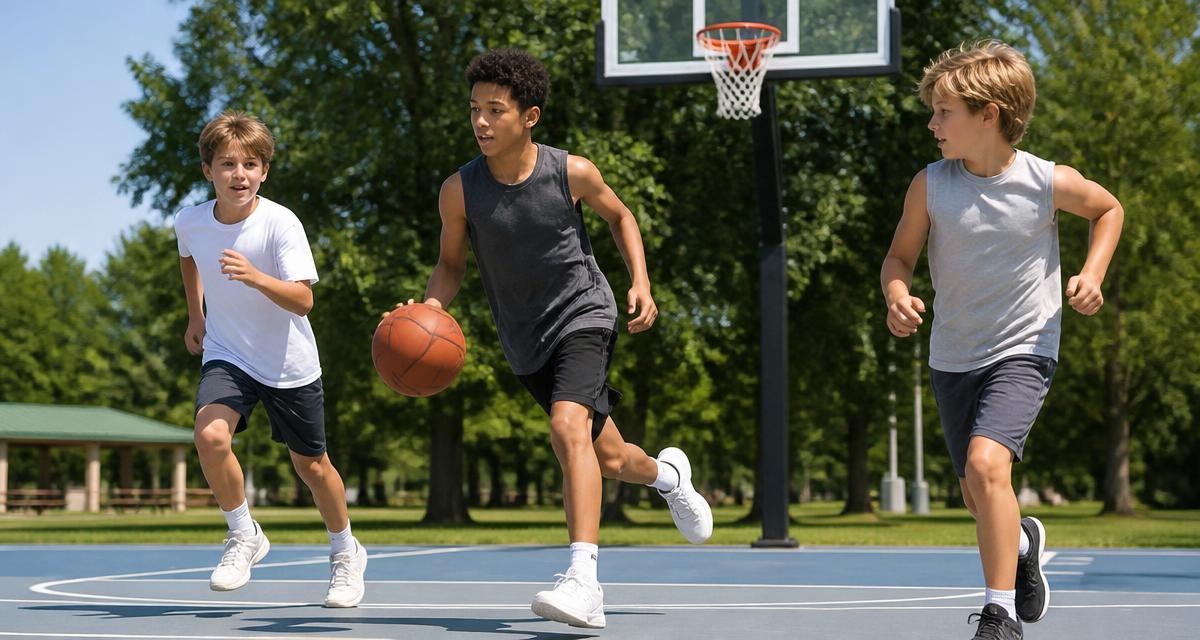
Health and Fitness for Kids: Quotes on Taking Care of Your Body
Most kids do not need to be told exercise is good for them. They need a reason that matters today, not at fifty. Fortunately there is one: moving your body changes how the rest of your day feels.
Better sleep. Steadier mood. Easier focus in class. Those are not long-term rewards. They show up the same week.
These ideas pair naturally with the lessons in 120 Positive Quotes for Kids, a collection written to help young readers ages 8-14 build discipline, confidence, and self-respect.

The Actual Guideline: 60 Minutes a Day
Both the World Health Organization and the U.S. Physical Activity Guidelines recommend that children and adolescents ages 6 to 17 get at least 60 minutes of moderate-to-vigorous physical activity every day, including muscle- and bone-strengthening activity a few days a week.
Sixty minutes sounds like a lot until you count what already counts: walking to school, recess, chasing a dog, a bike ride, a driveway basketball game. It does not have to be a workout. It has to be movement that makes a kid breathe harder.
Jim Rohn on the Only Place You Have to Live
Speaker and author Jim Rohn put the case for taking care of your body about as simply as it can be put:
"Take care of your body. It's the only place you have to live."
Kids get this instantly, because they already understand taking care of things they own. A bike left out in the rain rusts. Same principle, better equipment.
Pele on Where Ability Comes From
Pele, widely considered the greatest soccer player of all time, was clear about what was behind the highlight reel:
"Success is no accident. It is hard work, perseverance, learning, studying, sacrifice and most of all, love of what you are doing or learning to do."
Notice where that sentence ends. Love of the thing comes last on the list but first in importance. A child who finds a sport, a dance, or a trail they actually enjoy has solved the hardest part of fitness: the showing up.
John Wooden on Preparation
John Wooden, the most successful coach in college basketball history, taught his players a line worth taping inside a gym bag:
"Failing to prepare is preparing to fail."
For a kid, preparation is not complicated. It is sleep, water, breakfast, and showing up on time. Those four things beat almost any training trick available to a twelve-year-old.
Sleep Is Part of Fitness
Children ages 6 to 12 need roughly 9 to 12 hours of sleep a night, and teens 13 to 18 need 8 to 10, according to the American Academy of Sleep Medicine. Short sleep affects mood, attention, and even injury risk in young athletes.
Most families trying to improve a kid's energy would get further by moving bedtime thirty minutes earlier than by adding any activity at all.
Five Habits Worth Building Now
1. Move every day, not perfectly. A ten-minute walk on a busy day keeps the habit alive better than skipping until Saturday.
2. Let them pick the sport. The best activity for a child is the one they will still be doing in March.
3. Make water the default drink. No lecture required; just what is in the fridge.
4. Protect the bedtime. Devices out of the room does more than any supplement.
5. Model it. Kids who see adults moving conclude that movement is what adults do.
The Real Point Is Self-Respect
Fitness for a child was never about a number. It is about learning early that your body is something you take care of, the same way you take care of anything that matters to you. That habit, formed at ten, quietly runs for the next seventy years.
120 Positive Quotes for Kids collects 120 short lines about effort, discipline, and self-respect, each with a plain-language reflection for readers ages 8 to 14.
Because the goal is not a kid who trains the hardest. It is a kid who is still glad to be moving at forty.